
March Book News
Women's History Month and a Free Women's Fiction Book to Enjoy

Dear Friends,
Happy Spring to All!
Here we are, going around the calendar and once again, it’s Women’s History Month, and we’ve recently celebrated International Women’s Day. As many of you know, I have an interest in the women who have joined the sisterhood of authors and who have paved the way for so many of us. The way I see it, we stand on the shoulders of women who’ve elevated women’s writing, or who apologetically say, “I write the stories women want to read.”
The women I include in my special authors circle don’t need to be famous or win big awards or even have their books banned. However, a woman I was thinking about the other day is famous, won a ton of awards, and one of her books still appears high on the list of frequently banned books. She also is a friend to writers and despite her success understands our struggles.
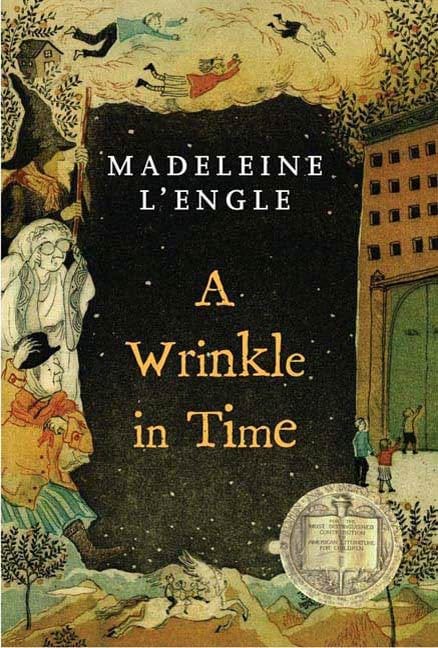
Madeleine L’Engle–a woman with a lot to say
One of the best parts of being a writer is reading other authors’ thoughts about the writing process, creativity, savoring ideas, and all the experiences that go along with putting fingers to keyboards or pens to paper. Madeleine L’Engle, who died in 2007 at age 88, had a career that spanned decades.
Although A Wrinkle in Time and A Swiftly Tilting Planet are among her most celebrated novels, I’ve always been drawn to her nonfiction. Perhaps this is because I’ve had a varied career that started with nonfiction. I know many current novelists who also started their careers as journalists or in other areas of nonfiction. She also didn’t have an easy road to publication. In fact, L’Engle published one book and it was a decade before she published her second. Although publication didn’t come easily for her, she persisted…and persisted. Here’s her humorous take on her ten straight years of rejection:
During that dreadful decade of rejection I pinned on my workroom wall a cartoon in which a writer, bearing a rejected manuscript, is dejectedly leaving a publisher’s office; the caption says, “We’re very sorry Mr. Tolstoy, but we aren’t in the market for a war story right now.”
L’Engle also believed that writing took courage. In today’s language, I’d be inclined to say that what L’Engle showed was grit. Later, after she’d written best-selling books for young readers, L’Engle went through the frustration of having a few of her titles banned from libraries and schools. I imagine she thought a great deal about writing as a show of courage when that happened. But she also was a woman of great faith, a mystic, really, which no doubt helped her cope with rejection and seeing her books maligned.
Contracts and book sales aside, she could be hard on herself, too, never quite believing she’d fully “served the work.” Like many of us, she more often than not wrote on deadline, so she’d finally have to let the manuscript go:
You begin to sense the point at which you have done as much revising as you can do. It’s not exactly right, you haven’t served it as well as it should be served, but that’s as far as you can go.
Comforting thought, Madeleine.
I was happy to learn that L’Engle became very attached to her characters and wrote about the same ones over and over because she wanted to find out what happened to them. Don’t we—and our readers—often feel that way about our series? I know I do. It’s a good thing that in “real” life, I rather like to move, and have done it many times. Still, it’s hard to tell a bunch of people in a favorite town that you have to pack up and move on to create not only new characters, but new homes, coffee shops, beaches, rivers, lighthouses, and on and on. But, you tell your cast and setting props that they’ll be with you in spirit.
I found the strongest identification with this queen of storytelling when she described something that happened when she was away on a vacation with her family:
And suddenly into my mind came the names, Mrs. Whatsit. Mrs. Who. Mrs. Which. I turned around to the children and said, “Hey kids, listen to these three great names that just popped into my mind: I’ll have to write a book about them.”
And so, A Wrinkle in Time as born.
Don’t you love when that happens? So, I’m happy to put Madeleine L’Engle into the group of women whose shoulders I still stand on. She deserves a prominent place when we celebrate women’s history.
Mothers & Daughters
No matter what period of history we look at, we’ll always find something about the mother-daughter relationship that has the potential to bring out both the worst and the best in us. It’s been explored in novels and myths of every culture and time. Think of poor Mrs. Bennet in Pride and Prejudice. Everyone tires of her fluttering around, desperate to find husbands for Elizabeth, Lydia, Kitty, and Jane. For modern readers, it’s so easy to criticize–and laugh. But in her day, marrying off her daughters was a huge responsibility. And every good plan could be ruined if the daughters showed a tad of sass and independence. Heaven forbid if they read too much!
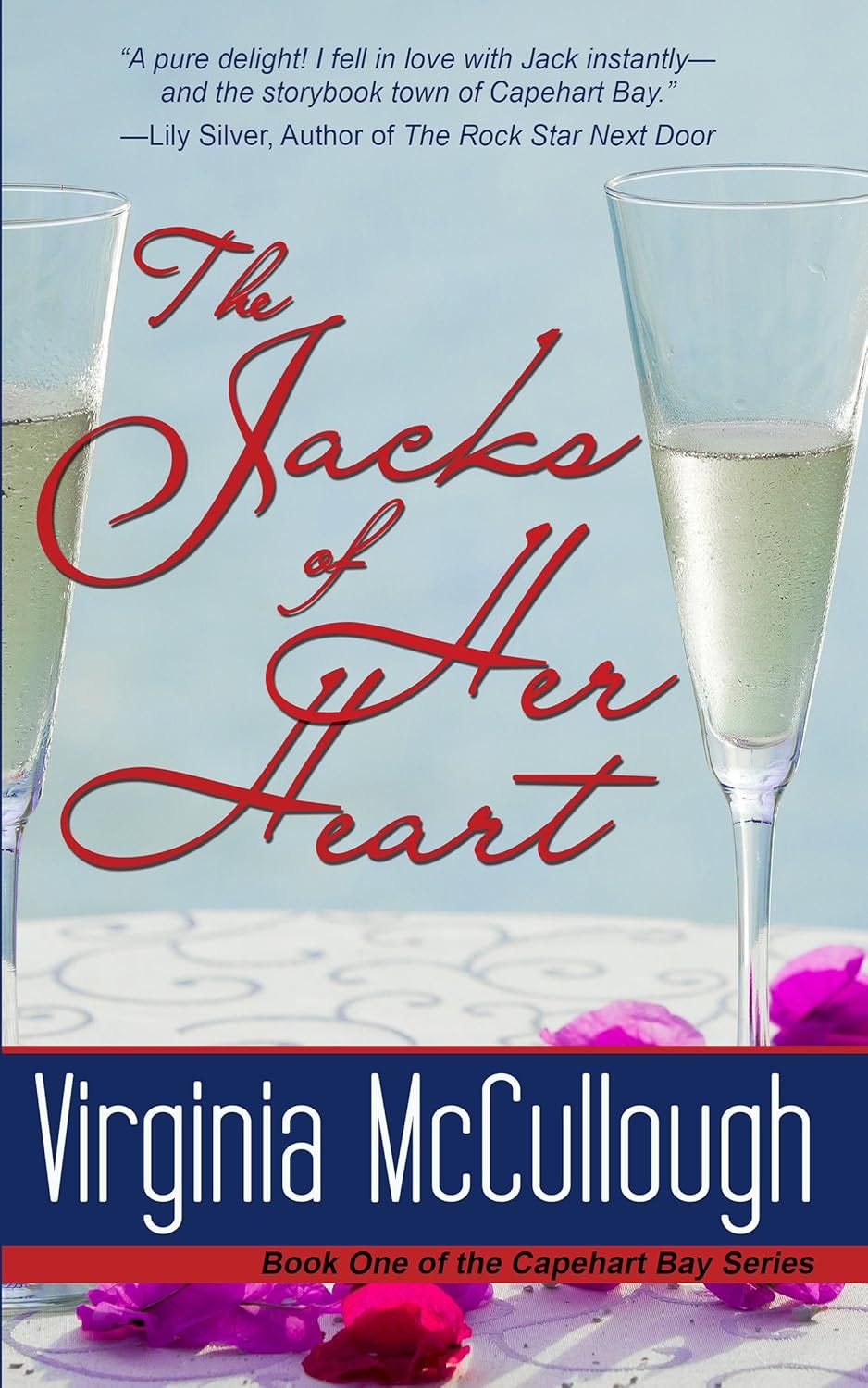
In one of my own books, The Jacks of Her Heart, Lorna plans the perfect “wedding-of-the-century” for her daughter–it goes off without a hitch, and as Lorna thinks later, without one second of spontaneity. This becomes relevant when the marriage is in tatters six months later.
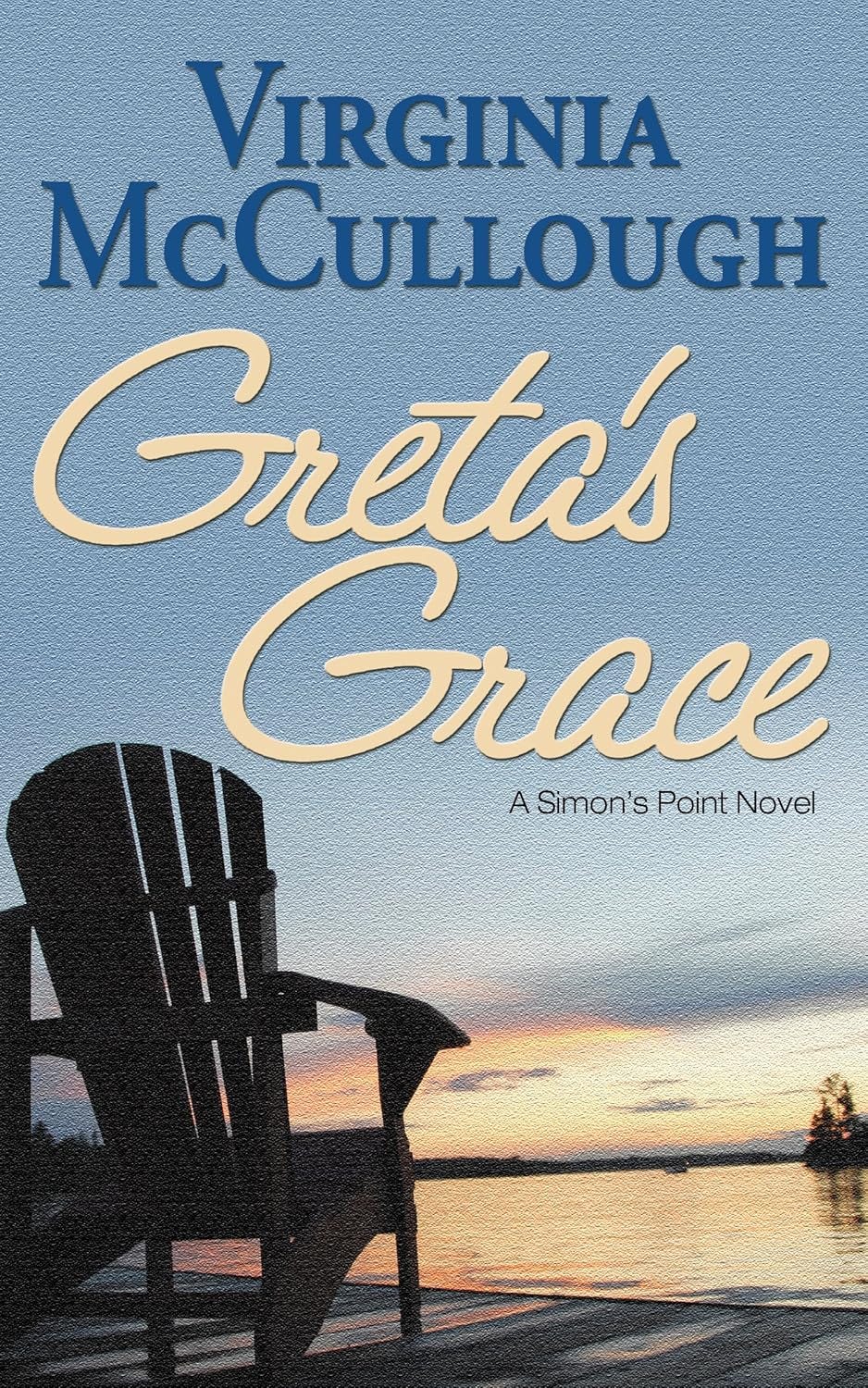
In Greta’s Grace, Lindsey tries hard to mend fences with her daughter Greta, still in her twenties when she’s diagnosed with cancer. This mother and daughter were never close, but now everything changes–it has to.
Professional speaker, Lindsey Foster, is faced with losing her only child when Greta is diagnosed with cancer. Desperate to be closer to her during this crisis, Lindsey heads to Simon’s Point, Wisconsin, where Greta lives. Although Lindsey finds her greatest joy from inspiring her audiences with the healing power of women’s stories, her heart aches over her inability to heal her emotionally distant relationship with her daughter.
With her willingness to do anything to make her daughter happy, Lindsey makes questionable decisions and keeps secrets from Greta, causing more heartbreak. Feeling exiled once again, Lindsey faces choices that will define her relationship with her daughter–and her own future.
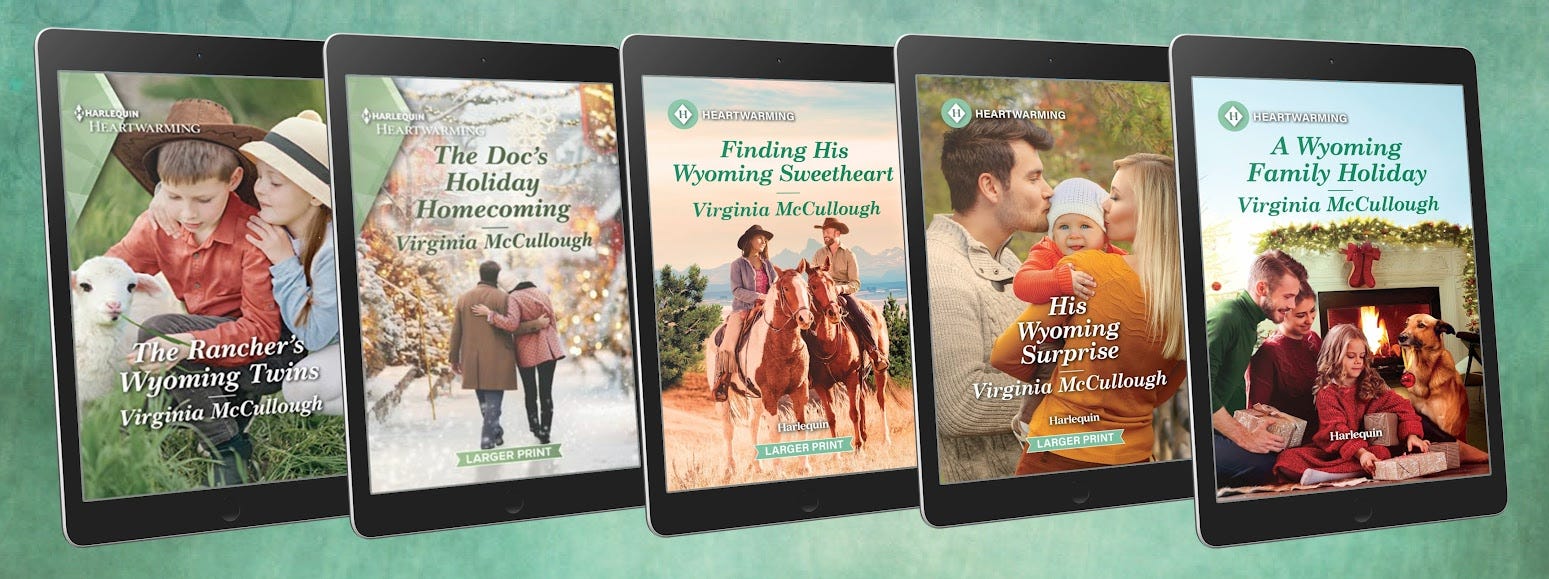
If spring hasn’t yet arrived where you live and you need a good series to escape into, visit Adelaide Creek.
Happy reading!
Virginia
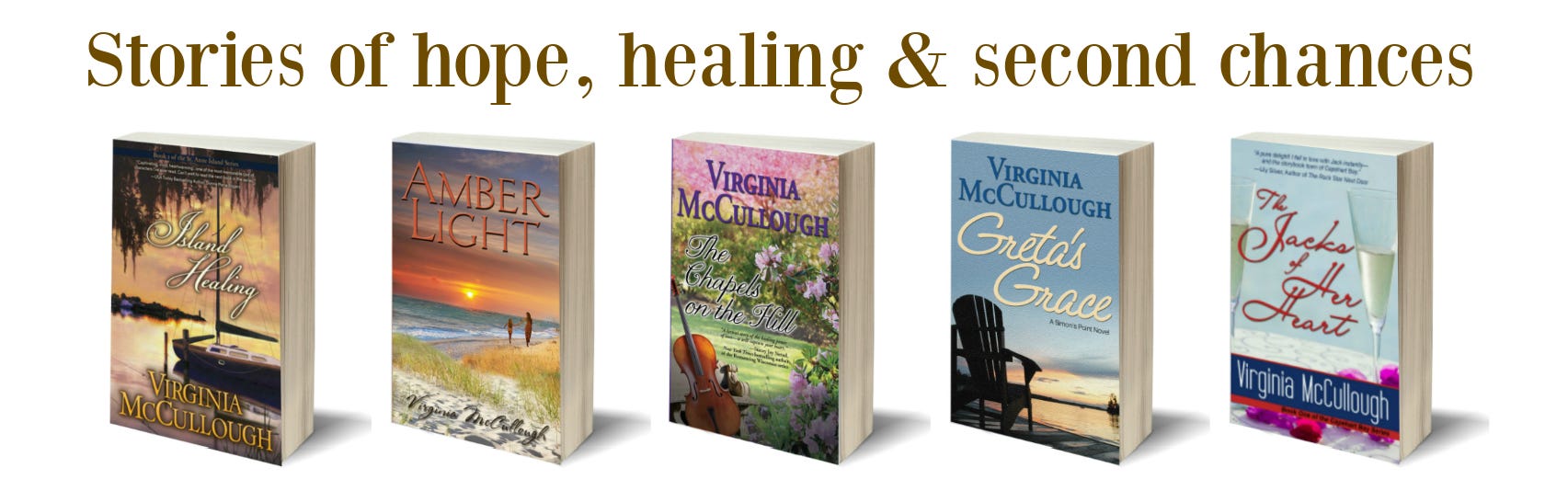
All of my women’s fiction titles are available on Amazon or you can “borrow” them on Kindle Unlimited. Reread a favorite or mention to a friend.
I loved this one!
What a lovely tribute to Madeline L'Engle. I loved your retelling of A Wrinkle in Time's birth. We never know when inspiration will strike, do we?!